I’ve always been fascinated by the way women are portrayed in different forms of media. It’s a topic that hits close to home, and I think it’s important to talk about.
Images of women can be powerful. They can inspire, challenge, and even change the way we see the world. But (and this is a big but) they can also perpetuate stereotypes and misrepresentations.
Have you ever stopped to think about how often you see the same types of images over and over? It’s not just frustrating; it’s harmful.
We need more poto de persona mujeres that reflect the real diversity of women. That means showcasing a wide range of ages, body types, ethnicities, and backgrounds.
This article aims to give you a detailed look at the latest trends, issues, and best practices in the use of women’s imagery. We’ll dive into why it matters and what we can do to make a difference.
The Evolution of Women’s Imagery in Art
Women have been depicted in art for centuries, but the way they are portrayed has changed dramatically over time. In ancient times, women were often shown as goddesses or idealized figures, reflecting the societal norms and values of those eras.
During the Renaissance, artists like Leonardo da Vinci and Michelangelo began to depict women with more realism and individuality. This shift was significant, as it moved away from purely symbolic representations and started to capture the unique qualities of real women.
Impressionism, which emerged in the late 19th century, brought a new level of subjectivity and emotion to the portrayal of women. Artists like Claude Monet and Edgar Degas focused on everyday scenes and the subtle nuances of their subjects. This movement helped to humanize women in art, showing them in more relatable and natural settings.
Modernism, with its emphasis on breaking traditional forms and exploring new artistic expressions, further transformed the depiction of women. Artists like Pablo Picasso and Henri Matisse experimented with abstract and fragmented forms, challenging conventional beauty standards and pushing the boundaries of representation.
In contemporary art, we see a growing trend towards diversity and empowerment in women’s imagery. Artists today are more inclusive, representing a wide range of body types, ethnicities, and identities. For example, the work of poto de persona mujeres highlights the importance of diverse and empowering representations of women.
This shift is supported by research. A study by the National Museum of Women in the Arts found that while women make up 51% of visual artists in the U.S., they still receive significantly less gallery representation and critical attention. This data underscores the need for continued efforts to promote and celebrate the work of female artists.
Understanding these trends and movements helps us appreciate the evolving role of women in art. It’s not just about aesthetics; it’s about recognizing and valuing the diverse experiences and perspectives of women.
Women’s Imagery in Media and Advertising
Let’s talk about how women are portrayed in the media. It’s a big deal, and it’s not always pretty. Television, film, and print publications often show women in stereotypical roles—think the perfect housewife or the overly sexualized sidekick.
These images can be damaging.
In advertising, things get even more complex. Ads have a huge influence on how we see women. They can either perpetuate harmful stereotypes or push for positive change.
I’ve seen both sides of the coin.
One time, I worked on an ad campaign that was supposed to empower women. We thought we were doing something great. But we ended up using the same old cliches.
The feedback was brutal. People saw right through it. It was a wake-up call.
We learned that authenticity matters. You can’t just say you’re empowering women; you need to show it. Since then, I’ve been more careful.
I look for poto de persona mujeres that reflect real, diverse experiences.
There are success stories too. Brands like Dove with their “Real Beauty” campaign have made a difference. They showed women of all shapes, sizes, and ages.
It resonated. People felt seen and appreciated. That’s the kind of impact we should aim for.
It’s not just about making a statement. It’s about making a real, lasting change. And that starts with being honest and genuine in how we represent women.
Diversity and Inclusion in Women’s Imagery
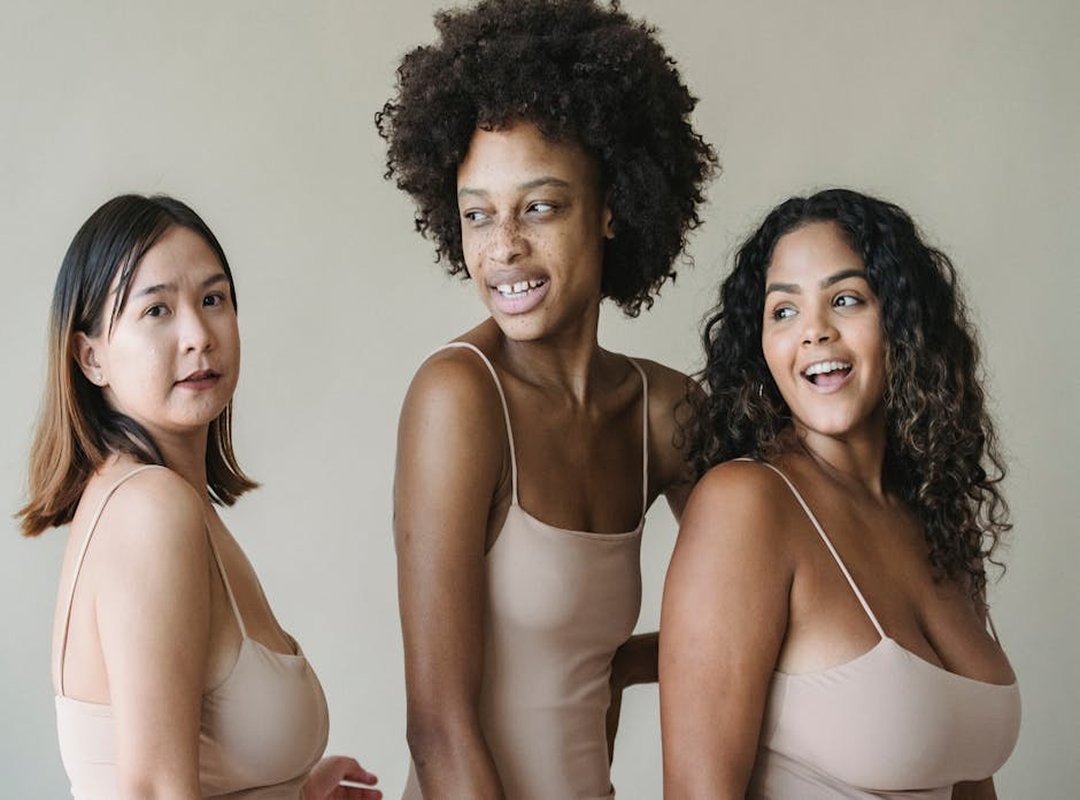
It’s crucial to represent a wide range of women in terms of age, race, body type, and background. When we see diverse women in poto de persona mujeres, it helps everyone feel seen and valued.
But achieving this diversity isn’t easy. There are systemic barriers that need to be addressed. For example, the media often sticks to narrow beauty standards, which can make it hard for more inclusive images to gain traction.
We also face challenges like unconscious bias and lack of representation behind the scenes. These issues can keep the same types of images from being recycled over and over.
Despite these hurdles, there are success stories. Some organizations are making significant strides in promoting diverse and inclusive imagery. They’re breaking boundaries top global events shaping our world today you need to know.
Empowerment and Positive Representation
Empowering imagery is more than just pretty pictures. It’s about showcasing women in a way that celebrates their achievements, strengths, and individuality.
Why does this matter? Because the images we see every day shape our perceptions of ourselves and others.
Positive role models in imagery can inspire and influence others. They show us what’s possible and help us believe in our own potential.
Think about it. When you see a powerful woman in a leadership role, doesn’t it make you feel like you can do it too?
Role models don’t just inspire; they also break stereotypes. They challenge the idea that certain roles or achievements are off-limits to women.
Poto de persona mujeres is a great example. These images highlight the diverse and impactful roles women play in society.
- Empowering Imagery: Celebrates women’s achievements, strengths, and individuality.
- Role Models: Inspire and influence, breaking stereotypes and showing new possibilities.
In a world where representation matters, these images are crucial. They remind us that every woman has the power to make a difference.
The Future of Women’s Imagery
The evolution of women’s imagery has seen significant shifts, moving from narrow and stereotypical representations to more diverse and empowering portrayals. poto de persona mujeres now reflect a broader range of identities, experiences, and roles. This change is crucial for promoting inclusivity and challenging traditional gender norms. Continued efforts are essential to ensure that all forms of imagery represent women in a way that is both positive and realistic.
By supporting and advocating for these representations, we can contribute to a more equitable and just society.