Climate Pressure Points Are Escalating
The impacts of climate change aren’t coming they’re here. Rising sea levels are already turning once thriving coastal neighborhoods into ghost towns. In places like Indonesia and parts of the U.S. Gulf Coast, entire communities are retreating inland as saltwater floods streets, homes, and farmlands. It’s not just erosion it’s erasure.
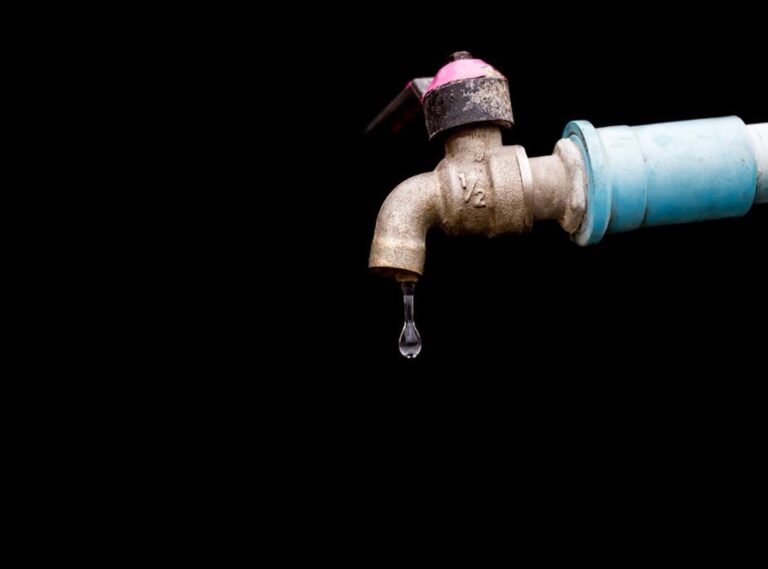
Meanwhile, droughts are cutting into food supply in vulnerable parts of the world. Sub Saharan Africa, southern Asia, and parts of Central America are seeing crops fail year after year, turning subsistence farming into a gamble with long odds. Food scarcity translates to economic stress, social unrest, and eventually, families uprooting for basic survival.
Storms aren’t just more frequent they’re more extreme. Floods, hurricanes, and typhoons are flattening everything in their paths, often leaving no real way for communities to recover before the next one hits. Sudden displacement has become normal for millions.
And across it all, the heat isn’t distributed evenly. Some regions already hot, dry, poorly resourced are absorbing the worst of the climate’s wrath. For residents of the Global South, climate collapse isn’t a tomorrow problem. It’s happening now.
The pressure’s building, and people are moving because many of them have no other choice.
The Human Fallout
When heatwaves kill crops and floods destroy homes, staying put stops being a real option. Rural families, especially in the Global South, are packing up what little they have and heading into cities that are already stretched past the breaking point. These aren’t strategic moves they’re survival tactics.
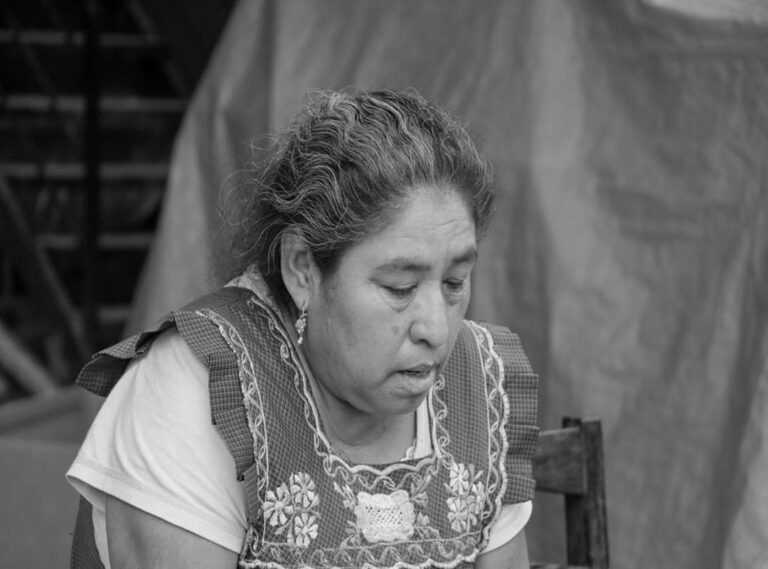
Indigenous communities are often among the hardest hit. Many live in ecosystems now destabilized by industrial activity and climate chaos. For them, displacement isn’t just about losing housing or income it’s about losing centuries of cultural connection to the land.
The same goes for low income families, who lack the resources to adapt locally. They’re forced to migrate without safety nets, legal protections, or guaranteed futures. Migration, in this context, isn’t a hopeful leap it’s a last resort when everything else has failed.
To understand the people living this story, not just the statistics, explore these global migration stories.
Crossing Borders, Finding Barriers
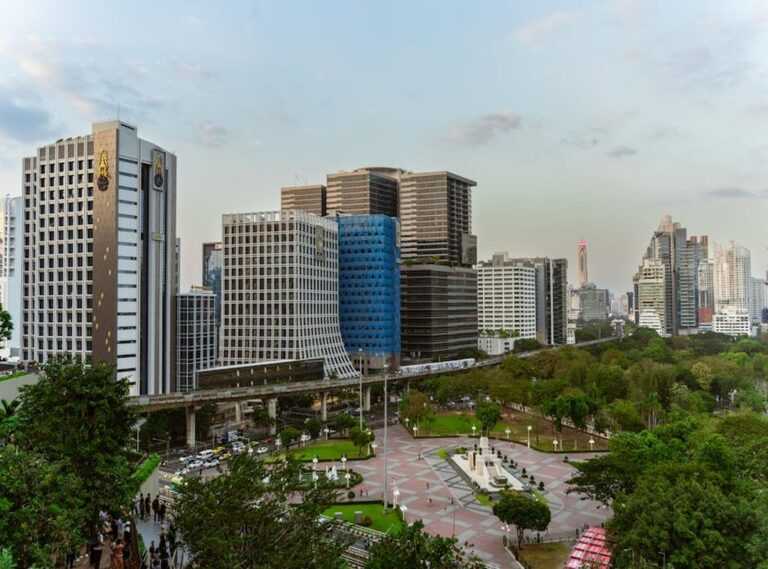
Host countries are feeling the pressure. Infrastructure meant for steady, manageable migration flows is now overloaded by waves of people forced to move by rising seas, failed crops, and evaporating water supplies. Camps are full. Cities are stretched. Health, housing, and education systems are cracking especially in mid income nations acting as frontline destinations.
But here’s the legal knot: climate migrants don’t fit neatly into existing refugee laws. They’re not fleeing war or persecution in the traditional sense, so they often fall into a limbo with limited protection. Asylum is harder to claim. Resettlement programs frequently leave them out. Meanwhile, legal frameworks are still playing catch up with the speed of environmental collapse.
That vacuum is feeding a sharp political backlash. Nationalist rhetoric is spreading. Closed borders and tougher immigration policies are gaining traction. Governments across continents are tightening controls, playing into voter fears over job competition, cultural friction, and fiscal strain even when those narratives oversimplify a very complex problem.
On the ground, social systems are tapping out. School districts taking in unplanned student surges. Hospitals running over capacity. Local workers and newcomers alike getting caught in bureaucratic crossfire. It’s not just a migration story. It’s a story of systems outpaced and the growing urgency to modernize both humanitarian support and public discourse.
What the Experts Are Saying
The numbers are staggering. The UN and IOM estimate that by 2050, up to 1.2 billion people could be displaced by climate related triggers floods, droughts, sea level rise, and food insecurity. This isn’t a dystopian forecast from the far future. It’s a slow moving emergency, already in motion.
And yet, the funding to adapt is badly lagging. Rich nations have pledged billions, but delivery is inconsistent, and the money rarely reaches the communities most at risk. As the climate reality accelerates, the gap between impact and response keeps widening.
One recurring pain point: there’s still no global legal definition for “climate migrants.” Existing refugee laws don’t account for people fleeing slow disasters like desertification or rising seas. That legal limbo leaves millions exposed, with no protection or path forward. Experts continue to call for an international framework to recognize and safeguard these migrants.
Still not all hope is top down. Some of the most effective action is coming from the ground up: community led relocation projects, city planning that folds in climate migration, and cross border partnerships focused on resilience. These aren’t silver bullets, but they’re working examples.
Public understanding also matters. More global migration stories shining a spotlight on real people and their journeys are shifting perception. It’s harder to dehumanize a trend when you’ve heard the voices behind it.
Action Isn’t Optional
Climate driven migration isn’t tomorrow’s problem it’s now. But not every person who relocates due to climate breakdown does so by choice. Often, they leave because there’s no infrastructure left to support life where they are.
That’s why local climate resilience is the front line. When villages have storm proof housing, working water systems, and drought resistant crops, people stay. The investment isn’t charity it’s strategy. It’s cheaper, smarter, and far less disruptive than managing mass migration later.
But resilience can’t stop at the border. Cross border cooperation on funding, policy, and early warning systems needs to come before the next crisis hits, not after. Waiting until people are fleeing is panic. Leading with preparedness is policy.
And don’t get it twisted: climate change isn’t just about CO2 levels or melting glaciers. This is about people families navigating brutal choices. Do they stay in towns sinking under seawater? Or leave everything behind to chase uncertain futures? The stats hundreds of millions potentially displaced are huge. But inside those numbers are stories of hesitation, courage, and loss. This is what human security looks like in the age of climate crisis. What we do next decides who gets to stay and who’s forced to run.