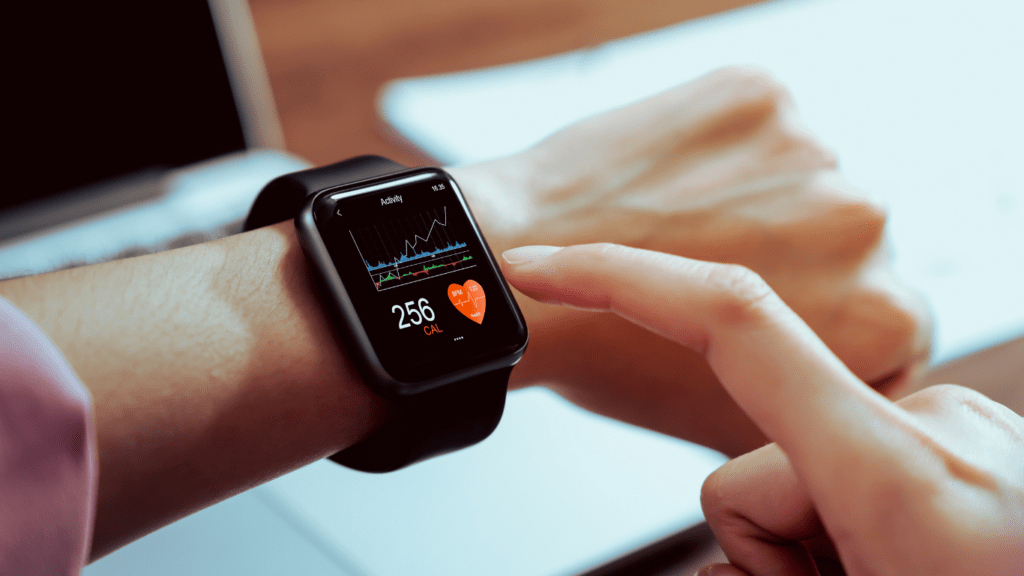

You scroll through another headline about Ftasiaeconomy tech and feel nothing but fatigue.
Not excitement. Not clarity. Just tired.
How many times have you clicked on a story only to find it’s just noise? A press release dressed up as insight. A minor policy tweak blown into breaking news.
I’ve tracked this region for over seven years. Every startup launch. Every regulatory shift.
Every infrastructure rollout.
Most of it doesn’t matter. But some of it changes everything.
That’s why we cut through the clutter (every) week. To focus only on what moves markets and reshapes plan.
This is not another roundup of every tweet from a government tech office.
This is a tight, no-fluff breakdown of the real shifts hiding in the noise.
You’ll get clear signals. Not speculation.
And you’ll understand what each one means (not) just for investors, but for anyone building or operating in this space.
We’re here to make sense of Ftasiaeconomy Technological News (so) you don’t have to guess.
The AI Surge: Real Shifts, Not Hype
I track Ftasiaeconomy closely. Not the press releases. The actual deployments.
The ones changing how people work right now.
Ftasiaeconomy is where I go for raw updates, not summaries. That’s why I saw the logistics firm Veridian Freight roll out their generative AI dispatch assistant in March. It writes real-time driver instructions, reroutes around traffic or weather, and translates customer requests into actionable tasks (all) in under two seconds.
No more call-center handoffs. No more misread manifests.
They cut average delivery confirmation time by 68%. That’s not a pilot. That’s live.
That’s revenue.
Here’s what the numbers say: AI investment in the region jumped 41% last quarter. Not “planned.” Not “forecast.” Deployed. And it’s not just big firms.
That means demand for AI talent is spiking. Fast. Salaries for prompt engineers and model ops folks are up 22% year-over-year.
Two local SaaS shops I know hired three junior devs each last month (solely) to fine-tune open-source LLMs for internal support tickets.
But here’s what no one’s saying out loud: most of those jobs require less coding and more domain knowledge. You don’t need a PhD. You need to know how insurance claims actually flow.
Then teach the model that.
Does that scare you? Good. It should.
The next phase isn’t bigger models. It’s tighter integration. Expect AI baked into ERP systems, CRM workflows, even factory floor sensors (all) trained on local data, not Silicon Valley defaults.
Ftasiaeconomy Technological News won’t be about “AI readiness” anymore. It’ll be about who shipped first (and) who got left debugging someone else’s hallucinated output.
I’m betting on the teams shipping slowly. Not the ones giving keynotes.
Fintech’s Next Chapter: Not Wallets. Wallets Inside Everything
I watched a friend book a flight on SkyWing last month. She paid. Then she tapped “Add Travel Insurance.” Then she opened a 6-month no-fee savings pot for her trip.
Right there, before confirming.
No app switch. No login to a bank. Just one flow.
That’s not digital payments anymore. That’s embedded finance.
SkyWing isn’t a bank. It’s a travel app. But now it does banking things.
Because its users asked for less friction and more control.
And they’re not alone. Retailers, ride-hail apps, even fitness platforms are adding lending, insurance, and accounts. Not as side features, but as natural steps in the main task.
Why? Because people hate opening another app just to move $20. They want money tools where they already are.
Not “bank first, then shop.” Shop and bank at once.
The Ftasiaeconomy Technological News shows this shift accelerating fast.
Regulators aren’t blocking it. They launched a live sandbox last year. Open to non-banks building financial services with licensed partners.
No more “apply and wait 18 months.” You test, iterate, and scale (if) you follow the guardrails.
I’ve seen startups fail by ignoring those rules. Others thrive because they built with compliance from day one.
Take PayLoom. Raised $42M last quarter. They don’t offer loans.
They let grocery chains issue instant credit at checkout. Backed by real banks, audited monthly.
No jargon. No “financial inclusion theater.” Just a barcode scanner that also checks creditworthiness in under two seconds.
It works because it solves a real problem: “Can I get this today?” not “What’s your APR?”
Some say embedded finance blurs lines.
I say it blurs stupid lines. Lines drawn before smartphones existed.
You don’t need a banking license to help someone pay. You do need honesty, transparency, and real oversight.
Beyond the Hype: Green Tech and HealthTech in Ftasiaeconomy
I used to skim past Green Tech headlines. Thought they were all solar panels and vague promises.
You can read more about this in this resource.
Then I watched a pilot in Nara Province cut diesel use by 62% using modular flow batteries. Not some lab experiment, but deployed in real warehouses feeding into regional grids.
That’s not just clean energy. It’s grid stability. It’s meeting Ftasiaeconomy’s 2030 carbon neutrality pledge without shutting down manufacturing.
The drivers? Local policy incentives, yes (but) more importantly, logistics firms demanding low-carbon supply chains now. Not in five years.
Now.
HealthTech hit me harder. Last fall, I sat with a rural clinic director in Sengal who’d been using an AI triage tool for six months.
It doesn’t replace doctors. It flags early-stage diabetic retinopathy from phone-captured images (then) routes urgent cases to specialists before vision loss sets in.
What makes this work here? High mobile penetration. Strong public health data infrastructure.
Ftasiaeconomy has aging demographics and uneven specialist access. That tool isn’t flashy. It’s slowly preventing blindness.
And doctors who actually use the tools (not) just tolerate them.
You want real Ftasiaeconomy Technological News? Skip the AI keynote slides.
Look where people are solving actual problems. Not chasing VC buzzwords.
Financial Updates Ftasiaeconomy shows how green infrastructure funding spiked 44% last quarter. That’s not noise. That’s signal.
I messed up my first Green Tech investment. Bought into a battery startup that couldn’t scale beyond demos.
Lesson? Talk to the operators. Not the pitch decks.
Same with HealthTech. If the tool hasn’t run for six months in a real clinic, walk away.
No exceptions.
Headwinds Aren’t Excuses (They’re) Filters

I’ve watched too many tech leaders blame “the market” when their hiring pipeline dries up. The regional tech talent shortage isn’t a fluke. It’s a symptom.
You think posting the same job ad with “Python + 5 years” will fix it? It won’t. Most companies aren’t losing candidates to competitors (they’re) losing them to clarity.
I saw one startup in Austin stop chasing senior hires entirely. Instead, they built a six-week internal bootcamp. Paid people to learn.
Gave them real projects on day three.
That’s how you turn a shortage into use.
Same goes for data privacy rules. GDPR and CCPA aren’t speed bumps (they’re) privacy-first technologies forcing real discipline. If your product needs consent to function, you’ve already lost.
Progress isn’t linear. It’s jagged. And the teams making real headway?
They’re not waiting for permission.
I covered this topic over in Ftasiaeconomy Technology Updates.
If you want grounded, unspun coverage of what’s actually shifting. Not just press releases (check) out this guide.
read more
Ftasiaeconomy Technological News? Skip the hype. Focus on who’s shipping.
You’re Not Falling Behind. You’re Just Looking Wrong.
I used to panic every time a new AI tool dropped.
Then I stopped reading the noise.
The real shift isn’t in the headlines.
It’s in Ftasiaeconomy Technological News that shows what sticks: AI integration, embedded finance, emerging sectors.
You don’t need to track everything. You need one trend. One industry.
Thirty minutes.
Pick one from this article. Right now. Open a tab.
Dig into how it hits your job. Or your next move.
Most people wait for permission to adapt.
You won’t.
We’re the top-rated source for this kind of clarity (no) fluff, no hype, just what moves first.
Go do that 30-minute dive.
Then come back and tell me what changed.