
Shifting Global Investor Focus
Capital isn’t moving like it used to. A mix of geopolitical shifts think U.S. China tensions, Russia sanctions and the uneven post pandemic recovery is pushing investors to get more surgical with where and how they allocate funds. Traditional safe havens still have a place, but risk appetite is recalibrating fast.
What’s rising? Non traditional markets in regions like Southeast Asia, Africa, and parts of Latin America. These are no longer just speculative plays they’re becoming core portfolio components thanks to higher risk adjusted returns and relatively untapped consumer bases. Investors who once stuck to blue chip comfort zones are now testing frontier waters, looking for that first mover edge.
Institutional money is moving in with more structure hedge funds and asset managers are setting up location specific vehicles. Meanwhile, retail investors in these same markets are becoming more active, fueled by app based trading, crypto exposure, and increasing financial literacy. It’s an ecosystem in flux, defined by asymmetric growth and opportunity.
What that means for capital flow in 2026 is simple: expect more fluid, dynamic investment behavior driven by both caution and crave for yield. The rules of the past don’t apply like they used to and the smart money knows it.
Spotlight: Southeast Asia’s Digital Boom
Southeast Asia continues to emerge as one of the most dynamic investment regions, thanks largely to its rapidly expanding digital economy. As nations in the region double down on technology driven growth, investors are increasingly drawn to the promise of high returns paired with scalable innovation.
Digital Growth in Key Markets
Countries like Vietnam, Indonesia, and the Philippines are leading Southeast Asia’s technological acceleration. These economies are experiencing explosive growth in two major sectors:
Fintech: Mobile based financial services are addressing the needs of a large unbanked population, offering everything from micro loans to digital wallets.
E commerce: Rising internet penetration and smartphone adoption have fueled the growth of local and regional online marketplaces.
This digital momentum is creating fertile ground for early stage investment, IPO potential, and cross border deal flow.
Innovation Hubs Backed by Policy
Governments in the region aren’t just passive observers they’re stepping up:
Vietnam has launched national strategies focused on digital transformation, including tech startup incentives and R&D support.
Indonesia’s “100 Smart Cities” initiative is aligning infrastructure planning with digital readiness.
The Philippines is expanding its free trade zones to include tech incubators aimed at attracting global venture capital.
Such policy moves are steering both public and private capital into robust, innovation friendly ecosystems.
Risks to Monitor
Despite the promise, Southeast Asia’s digital economy is not without its challenges. Investors should be aware of:
Currency volatility, especially in nations with high inflation vulnerability or political shifts.
Infrastructure gaps, such as inadequate logistics or inconsistent internet reliability outside major urban centers.
When evaluating opportunities, it’s essential for investors to price in these risks and diversify their exposure accordingly. Regional expertise and on the ground partnerships can significantly mitigate downsides.
Africa’s Strategic Ascent
Africa is no longer a passive participant in the global investment conversation it’s actively shaping the future of tech, infrastructure, and green energy. In 2026, the continent presents a dynamic mix of opportunity and transformation, especially across high growth economies like Nigeria, Kenya, and South Africa.
Rising Tech Hubs
Tech innovation is booming, fueled by a new generation of entrepreneurs and improved internet penetration.
Nigeria is cementing its place as a fintech leader, with startups like Flutterwave and Paystack drawing significant venture capital.
Kenya’s Silicon Savannah continues to evolve, with mobile first solutions serving both urban and rural communities.
South Africa blends mature fintech infrastructure with an emerging AI and blockchain ecosystem.
These markets are attracting interest from global accelerators, regional private equity firms, and impact investors looking for scalable digital solutions.
Renewables and Infrastructure: Long Term Plays
Africa’s vast natural resources and growing energy demands have made it a key region for renewable infrastructure investment.
Solar and wind projects, especially in North and East Africa, are attracting large scale public private partnerships.
Energy access initiatives are opening opportunities for microgrid and battery storage companies.
Infrastructure build outs related to clean transport, hydropower, and smart grids are laying the foundations for future ready economies.
Foreign Direct Investment on the Rise
FDI is gaining momentum across multiple African sectors, signaling growing investor confidence.
Key industries include agritech, logistics, healthtech, and education technology.
Investment is bolstered by improved regulatory environments and pro business reforms in several nations.
African Development Bank and World Bank backed programs are de risking entry points for institutional investors.
What This Means for Investors
Africa’s upward trend is not without risks currency volatility, policy shifts, and infrastructure gaps remain. However, the long term potential, especially for patient capital and impact driven strategies, is compelling. In 2026, the smartest investors will not only monitor Africa they’ll engage directly, strategically, and with local expertise.
Latin America’s Untapped Potential

Colombia, Peru, and Chile are back on the radar for investors willing to dig deeper literally and figuratively. Mining and agriculture continue to anchor these economies, and with global demand for copper, lithium, and clean food sources on the rise, capital is flowing in with sharper purpose. Chile’s lithium reserves are drawing green tech funds. Peru’s agricultural exports, particularly to Asia, are scaling. Colombia’s renewed infrastructure commitments are making tough terrain more investable.
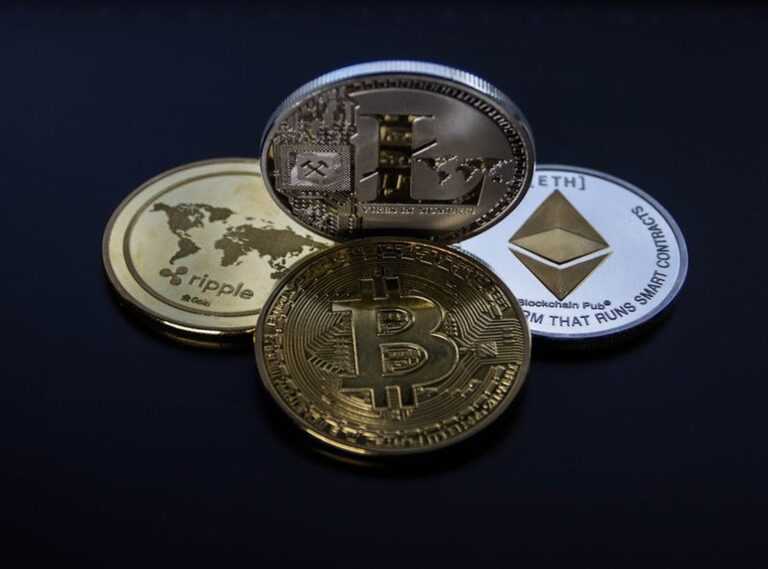
But it’s not just about dirt and crops. Crypto adoption is climbing across the region, especially where traditional banking infrastructures fall short. That’s opening doors for decentralized finance (DeFi) platforms, giving locals more ways to store, protect, and grow assets. Investors are eyeing the intersection between mobile penetration and blockchain access not just as a speculative trade, but as a long game in financial inclusion.
The political landscape is volatile, but not necessarily bleak. Investors are diversifying plays across these markets, using multi country portfolios and localized partnerships to hedge risk. Regulatory shifts can hit fast, so those already on the ground with legal buffers and multilingual teams are faring better. The payoff? Access to emerging sectors before they hit the broader radar. In Latin America, early still means early.
Investing Smart in Frontier Markets
Frontier markets in 2026 aren’t for the faint hearted, but for investors willing to embrace risk, they offer rare upside. What makes these markets appealing now comes down to two things: low correlation to global volatility and high growth potential in undervalued sectors. You’re not just riding trends you’re getting in early on structural change. Think places where mobile data is leapfrogging broadband, or where the first layer of logistics infrastructure is being laid.
Real assets are where the long term plays are. Transport systems that unlock rural economies, utilities that stabilize entire regions, logistics hubs that fuel the growth of e commerce these are core bets. Think ports, power grids, and cross border rail links. They’re essential, often government supported, and harder for competition to disrupt once established.
The obvious challenge is data there’s not a lot of it. Due diligence in these markets isn’t about perfect spreadsheets. It’s about knowing the ground. That means local intel, trusted middlemen, reverse engineering satellite imagery if you have to. You gauge potential not only through balance sheets, but by walking the site, counting the trucks, understanding what’s culturally sticky and what isn’t.
For more time tested strategies that can help shape a smart frontier portfolio, check out this related read: Top investment strategies for 2024.
Key Considerations Before You Jump In
Investing in emerging and frontier markets can unlock compelling opportunities but not without real risks. Before allocating assets, investors need to navigate complex variables that can significantly impact outcomes.
Understand the Risk Landscape
Before entering any new market, it’s critical to understand the local and macroeconomic risks that could undermine your investment.
Currency Volatility: Rapid currency fluctuations can erode returns, especially in countries with less stable monetary policies. Hedging strategies or currency risk adjusted return models are essential.
Exit Strategy Planning: Many emerging markets have illiquid exits. Investors must understand repatriation rules, capital controls, and market depth.
Political Climate Awareness: Election cycles, regulatory shifts, or conflict zones can reshape industries overnight. Staying informed through trusted local sources is key.
Build the Right Partnerships
Strong local partnerships can make or break your investment success.
Engage Region Specific Legal Counsel: Legal frameworks vary widely across borders. Engaging local lawyers helps you navigate compliance, contract structuring, and ownership laws.
Leverage Established Local Partners: Whether it’s a co investor, operational consultant, or bank, experienced partners on the ground offer critical strategic insight.
Balance Your Portfolio Intelligently
Emerging markets often promise high growth but carry high risk. Structuring your portfolio to absorb volatility is non negotiable.
Diversify across multiple regions and sectors
Use low risk core investments to balance volatile emerging assets
Allocate consistent review periods to rebalance as needed
For a deeper foundation in resilient investment strategy, revisit the fundamentals: Top investment strategies for 2024
Keeping these key considerations in mind will not just minimize downside risk it will help position your portfolio for more sustainable long term returns.
Forecast Signals Worth Watching
Fund managers are becoming sharper in how they read emerging markets, and ETFs are a key part of the equation. We’re seeing inflows rise into region specific ETFs targeting sectors like Southeast Asian tech and African green energy. These funds offer investors exposure with some insulation against single country volatility. But it’s not just about following the money it’s about understanding why it’s shifting.
AI driven investment models are expanding, and they’re changing how analysts evaluate risk and momentum in newer economies. Machine learning isn’t just scanning balance sheets anymore; it’s parsing political news, tracking supply chain stability, and weighing ESG factors in real time. This tech is making it faster to spot promising assets and red flags.
Then there’s the ESG piece. It’s no longer a bonus, it’s a baseline. Funds are applying stricter sustainability screens before making entry decisions, especially in industries like mining, agriculture, and energy. Investors want returns, but not at the cost of reputational damage or long term exposure to regulatory backlash. The message is pretty clear: if your emerging market bet isn’t future proof, it’s probably not fundable.