
Shaping Industries from the Ground Up
Women are no longer just participating in the global economy they’re helping to redefine it. With entrepreneurial energy, leadership innovation, and data backed influence, women are taking charge across sectors, reshaping the way industries grow and operate.
Growing Economic Influence: By the Numbers
Recent data reflects the accelerating impact of women in business:
Women own 1 in 3 businesses globally, with that number growing steadily year over year.
Female founded startups deliver double the revenue per dollar invested compared to male founded ones.
By 2030, women are projected to control 60% of the world’s wealth, positioning them as key drivers in investment and policy decisions.
These numbers speak to more than success they reflect a shift in who’s leading and how leadership is measured.
Where Female Leadership Is Taking Off
While women are making strides in every sector, some industries are seeing particularly rapid growth in female led ventures:
Health and wellness: From telemedicine platforms to mental health apps, women are pioneering empathetic, user centric solutions.
Fintech: Women founders are breaking into financial technology with inclusive tools for underserved communities.
Sustainable fashion and beauty: Purpose led brands are emerging with women at the helm, balancing profit with ethical practices.
Education tech: Platforms tailored to lifelong learning and access equity are increasingly shaped by female entrepreneurs.
These sectors aren’t just trending they’re also centered around long term need and innovation.
Outperforming the Traditional Mold
Women led startups continue to outperform expectations despite facing disproportionate challenges:
Higher returns on investment: Studies show that startups founded or co founded by women return more than twice the investment compared to male led teams.
Agile leadership styles: Women tend to adopt collaborative, adaptive approaches that respond better to market fluctuations and crises.
Underfunded, overdelivering: Despite receiving less than 3% of global VC funding, female run ventures continue to scale efficiently and reach profitability faster.
Success is no longer defined by legacy business practices. Women are redefining performance through resilience, creativity, and community focused innovation.
Leadership with a Different Lens

Leadership has been quietly evolving. The old top down model where orders trickle down and silence means compliance is losing steam. In its place, inclusive management is gaining ground. It’s not about being soft. It’s about being smart with people.
Inclusive leaders tend to draw from lived experience. They listen more than they talk. They build systems where ideas get surfaced early, conflict’s not ignored, and people know exactly where they stand. The result? Teams that actually work and work better together.
Take Reshma Patel, who scaled her fintech startup by flattening her org chart and replacing traditional reviews with peer sourced feedback loops. Or Maria Gómez, whose clean energy firm runs weekly leadership circles that rotate facilitation. These aren’t warm and fuzzy gimmicks; they’re force multipliers.
What’s replacing command and control? A hybrid of autonomy, shared purpose, and radical clarity. This leadership isn’t about power leaks it’s about tapping collective momentum. More leaders are figuring that out. And it’s paying off.
Innovation and Sustainability Go Hand in Hand
Women entrepreneurs are at the forefront of the global shift toward sustainability. Their ventures are not only aiming for profitability but also prioritizing environmental responsibility and long term impact. This values driven approach is helping redefine what success looks like in the modern economy.
Why Women Are Leading the Green Movement
A number of factors are positioning women to drive change in the sustainability space:
Purpose Driven Ventures: Many women founded businesses emerge from a mission first mindset, embedding sustainability into the foundation of their companies.
Empathy as Strategy: Leaders practicing empathy often adopt a more holistic approach to business, balancing profit with people and the planet.
Resilience and Adaptability: Women led businesses often approach resource constraints with innovation, which fuels the demand for sustainable solutions.
Female Founders Making Waves
Across industries, women are shaking up the landscape with sustainable solutions:
Clean Tech: Pioneers like Dr. Laura Stachel, co founder of We Care Solar, are delivering solar energy to underserved communities.
Sustainable Fashion: Entrepreneurs such as Stacey Boyd, founder of Olivela, are creating fashion brands that combine luxury with social impact.
Regenerative Agriculture: Innovators like Anya Fernald of Belcampo are transforming the food system through ethical and regenerative farming models.
The Rising Intersection of Green and Female Led Ventures
Emerging research and reports show a clear overlap between sustainable practices and female leadership. As outlined in recent green business trends, sectors such as renewable energy, low waste consumer goods, and ethical supply chains are benefiting from the influence of women entrepreneurs.
Policy Integration: Many female leaders are also advocating for sustainability in both private sector efforts and public policy.
Consumer Trust: Brands led by women tend to create stronger bonds of trust with eco conscious consumers.
Financial Growth: ESG focused investors are increasingly funding female founded startups that align with climate and ethical goals.
The message is clear: women in business are not only shifting the narrative they’re shaping a greener, more mindful future.
Battling Bias and Bending the System
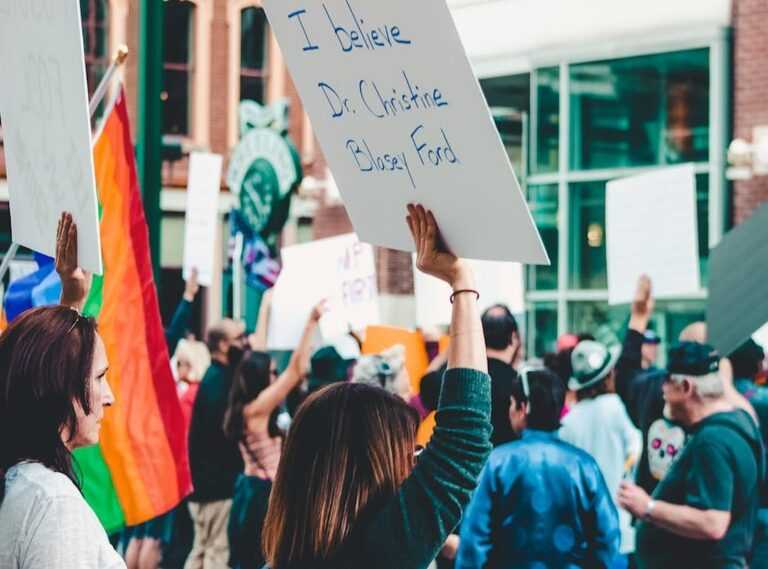
Even in 2024, the playing field still isn’t level. Women in business continue to navigate funding gaps, lower visibility, and fewer opportunities for advancement especially in male dominated sectors. Venture capital flows remain stubbornly skewed, with female led startups securing a small fraction of total U.S. VC dollars. Bias, whether overt or subtle, hasn’t disappeared. It’s just evolved.
But women aren’t waiting for permission.
New founder networks, accelerator programs, and mentorship collectives are unlocking access. Groups like All Raise and digital first platforms are helping women find not just funding but community and that’s often the edge. These aren’t just support groups. They’re launchpads filled with capital, coaching, and deal flow networks built for scale.
Smart strategies are emerging too: bootstrapping to keep equity, forming micro collaboratives to drive visibility and shared audience growth, and leveraging niche communities where trust scales faster than reach. Women are working tighter and smarter. They’re building not only in spite of constraint, but in a way that rewrites the rules altogether.
The system has cracks. Women are turning those cracks into doorways.
What Comes Next
The momentum isn’t slowing. More women are stepping into roles that don’t just rewrite leadership they rethink capitalism. Social entrepreneurship is no longer a niche; it’s a defining lane, and women are leading the charge. These are ventures built on purpose not just profit and they’re attracting a new wave of investors who want both impact and return. The growth of impact investing reflects something deeper: values are shaping capital.
At the same time, we’re seeing a steady climb in the number of women in boardrooms, in policy cabinets, and at the heads of institutions. It matters because representation changes outcomes. Policies get broader, and priorities shift. Workplaces grow more flexible. Resources get allocated differently. When women have a seat at the table, entire systems recalibrate.
Long term, this isn’t just good optics it’s smart economics. Greater gender balance in leadership correlates with stronger innovation, better governance, and more resilient financial performance. In short: a more inclusive global economy is also a more stable one. For anyone paying attention, the signals are clear this shift isn’t temporary.
Explore more on the connection between women led enterprises and sustainability initiatives: green business trends.