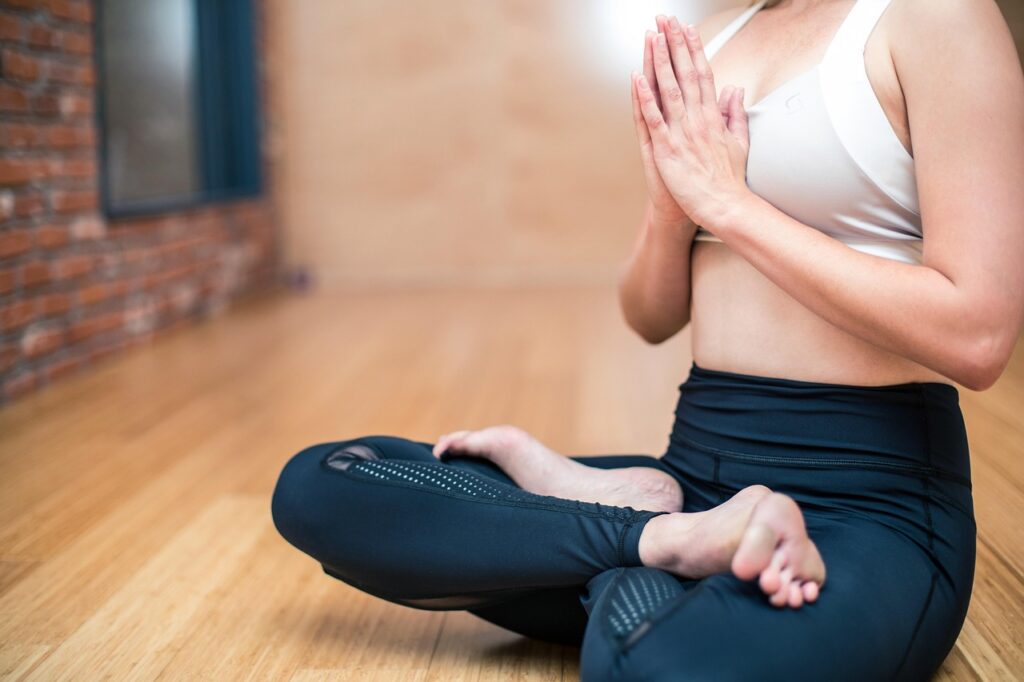
Start With Grounding Yourself
Before you check your phone, before you open your inbox pause. Use the first five minutes of your day to breathe with purpose. Inhale slowly, exhale even slower. Don’t complicate it. This is just about reminding your body that you’re in control of the pace.
Then try the 5 4 3 2 1 technique. Name five things you can see. Four you can physically feel. Three you can hear. Two you can smell. One you can taste. It pulls you out of autopilot and plants you firmly in the moment.
Why does this matter? Because how you start your morning sets your tone. With grounding, you’re less likely to overreact, spin out, or burn out. You’re building mental space before the day starts building demands.
Micro Mindfulness Moments
You don’t need a yoga mat, a playlist, or a free hour to practice mindfulness. You just need to notice what you’re doing. Daily routines the ones you usually do on autopilot are perfect entry points.
Brushing your teeth? Feel the bristles. Notice the taste. Pay attention to the subtle rhythm. Washing dishes? Listen to the water, feel the warmth, watch the soap swirl. Walking to the car? Instead of pulling out your phone, focus on your steps, the air, the light.
The secret is attention. Tune into your senses what you see, hear, feel, and smell. This pulls you out of mental noise and drops you into the now. That’s mindfulness. Quick, free, already part of your day.
Mindful Breathing Techniques to Reset Quickly
Stress shows up fast. Your brain loops, your chest tightens, and focus slips. That’s when breath work earns its keep.
Start with box breathing a reliable old school tactic used by athletes, first responders, and Navy SEALs. Breathe in for four seconds, hold for four, exhale for four, hold again for four. Repeat. Even just one minute resets your nervous system. It’s mechanical, simple, and grounding.
Alternate nostril breathing is another underrated tool. It’s a bit slower, but wildly effective for breaking stubborn thought spirals. Close one nostril, inhale through the other. Switch. Repeat. Sounds weird, until you notice your mental static turn down to a whisper.
Use these before a big call, hard conversation, or any moment you don’t feel fully in your skin. Both methods tell your body: “You’re okay. You’ve got this.”
Looking for more low lift ways to stay levelheaded? Tap into these stress management tips.
Screen Break Rituals That Actually Work

We all say we need to spend less time staring at screens, but most of us don’t. The difference comes down to having actual rituals, not just good intentions. Turning tech breaks into mindful moments is the move not just zoning out and swapping one screen for another.
Start with making your screen breaks intentional. Set triggers. Every two hours, or after completing a task pause. Let that be your checkpoint. Use that window to run the “Look Up” method: stop what you’re doing, stretch your arms, focus your eyes far away, and take a few solid breaths. It shakes the fog off better than scrolling Instagram.
Even better? Go analog. Step away from devices, even if it’s just for five minutes. Make tea. Doodle. Stare at a tree. These resets are low effort but high impact. They create space between you and your tech, and that space is where clarity sneaks in.
The goal isn’t total disconnection it’s smarter connection. And you won’t get that if you’re refreshing your inbox during every break.
Gratitude, Even If You Don’t Feel Like It
Not every day feels worth celebrating. But that’s exactly when the small stuff matters. Grab a notebook or just say it out loud in the mirror, in the car, wherever. The key is getting ultra specific. Not “I’m grateful for my family,” but:
- The way my dog curled up under my feet while I edited at 1 a.m.
- How my barista remembered my name and oat milk order without asking.
- The string of green lights that got me home five minutes faster on a rough Tuesday.
That level of detail pulls your brain out of fog mode. It builds mental traction. Gratitude like this isn’t performative it’s a pattern interrupt. A reminder that good moments aren’t always big, but they’re there. Speak them out loud. It makes them stick.
Rewire Your Routine at Night
How you close out your day matters just as much as how you begin it. Start small: sit or lie down, take 3 to 5 slow, conscious breaths, and ask yourself what kind of energy do I want to bring into tomorrow? Setting even a soft intention helps clear mental clutter.
Next, put the phone down. No doom scroll. No late night replies. This is your chance to actually lower your brain’s RPMs. Let your thoughts settle instead of flooding them with more noise. A quiet mind isn’t a luxury it’s fuel for better sleep, better choices, better everything.
Now, guard your last 30 minutes like they matter because they do. This is boundary time. Read. Journal. Stretch. Be boring in the best way possible. Nighttime peace doesn’t just show up it gets protected.
Want more actionable ideas for winding down the right way? Check out these stress management tips.
Final Notes: Mindfulness Isn’t a Trend
Mindfulness isn’t something you master once and never revisit. It’s a skill built slowly, through repetition and daily attention. It’s sitting in small moments, showing up even when you don’t feel like it, and doing the simple things on loop.
Five minutes of breathing. One conscious pause in a hectic afternoon. Saying thanks for something oddly specific. These aren’t massive gestures, but they stack up. They build resilience, awareness, and a little more space between you and panic.
Don’t chase perfection. Consistency wins. Wobble and keep going. The people who benefit most from mindfulness aren’t always the calmest they’re just the most committed to the practice.